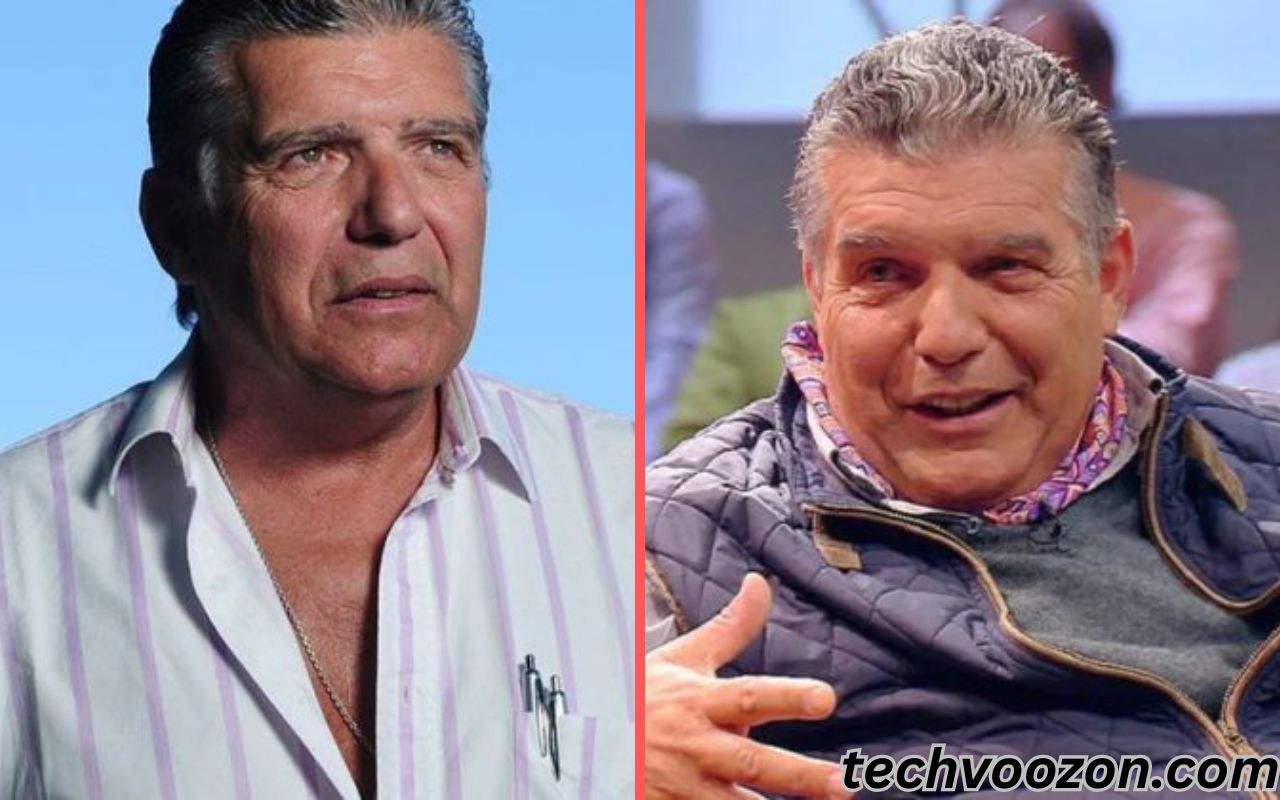
Who Is Carlos Páez Rodríguez
Carlos Páez Rodríguez is a Uruguayan entrepreneur, author, and internationally recognized motivational speaker whose life story has become a symbol of resilience. Born into a creative and well-known family in Montevideo, he grew up in a privileged environment shaped by art, culture, and opportunity. His father, Carlos Páez Vilaró, was a famous artist, which placed Carlos in a world of comfort long before his life took a dramatic turn.
Despite his comfortable upbringing, Carlos was not widely known outside Uruguay until a life-altering event thrust him into the global spotlight. At just 18 years old, he became one of the survivors of one of the most harrowing survival stories in modern history. This transformation from an ordinary teenager into a symbol of endurance would shape his identity for decades to come.
Today, Carlos Páez Rodríguez is not just remembered for surviving a tragedy. He has built a reputation as a powerful storyteller and speaker who connects deeply with audiences, especially in the United States. His ability to translate extreme experiences into practical life lessons has made him a sought-after voice in leadership and personal development circles.
The Uruguayan Air Force Flight 571 crash
The crash of Uruguayan Air Force Flight 571 on October 13, 1972, is one of the most documented survival events in history. The plane, carrying a rugby team and their companions, crashed into the Andes Mountains after encountering severe weather and navigation errors. Out of 45 passengers, only a fraction would ultimately survive, including Carlos Páez Rodríguez.
The conditions following the crash were beyond extreme. The survivors found themselves stranded at high altitude with freezing temperatures, limited oxygen, and virtually no food. Rescue efforts were called off after several days, leaving the group to rely entirely on their own resourcefulness. This moment marked the beginning of a survival ordeal that would last more than two months.
Several critical factors shaped their survival:
- Harsh climate with subzero temperatures
- Limited supplies and no communication
- Constant psychological stress and uncertainty
For American audiences, this event is often compared to other survival stories but stands out due to the length of time and the ethical dilemmas faced. It remains a defining case study in resilience, teamwork, and decision-making under pressure.
Life Before the Andes Experience
Before the crash, Carlos Páez Rodríguez lived a life that many would consider ideal. He attended a prestigious school and was an active rugby player, representing the Old Christians Club. His daily routine revolved around sports, education, and social life, with little exposure to hardship or adversity.
His upbringing in a creative household also influenced his worldview. Surrounded by art and intellectual discussions, he developed a sense of curiosity and openness. However, this background did not prepare him for the physical and emotional challenges he would later face in the Andes Mountains.
The contrast between his early life and the survival experience is striking:
- From comfort to extreme deprivation
- From structured life to complete uncertainty
- From security to life-threatening danger
This dramatic shift highlights an important lesson for U.S. readers: resilience is not dependent on background. Even those who have never faced hardship can rise to extraordinary challenges when circumstances demand it.
Surviving the Andes: A Test of Human Limits
The survival period in the Andes tested every aspect of human endurance. Carlos Páez Rodríguez and the other survivors had to adapt quickly to an environment that offered no margin for error. Temperatures dropped well below freezing, and the thin air made even basic physical activity exhausting.
Food scarcity became the most critical issue. With no natural sources of nutrition available, the group was forced to make decisions that pushed the boundaries of human ethics and survival instinct. These decisions have been widely discussed and analyzed, particularly in academic and psychological contexts.
Key survival strategies included:
- Rationing limited resources carefully
- Building shelter from the wreckage
- Supporting each other emotionally and mentally
Carlos has often emphasized that survival was not just physical but deeply psychological. Maintaining hope, trust, and a sense of purpose became essential. For American professionals and leaders, this aspect of his story offers valuable insights into mental resilience and crisis management.
The Rescue and Emotional Aftermath
After 72 days in the Andes, the survivors were finally rescued thanks to the courageous efforts of two members who trekked across the mountains to find help. The rescue marked the end of a physically grueling ordeal but the beginning of a complex emotional journey.
Returning to society was not easy. Carlos Páez Rodríguez and the others had to process trauma, grief, and the public attention that followed. The media coverage brought both sympathy and scrutiny, particularly regarding the choices made during survival.
The aftermath included several challenges:
- Coping with survivor’s guilt
- Reintegrating into normal life
- Addressing public perception and questions
For U.S. audiences, this phase highlights the importance of mental health and emotional recovery. It shows that surviving a crisis is only one part of the journey, while healing and rebuilding are equally critical.
Career and Reinvention After Survival
After the Andes experience, Carlos Páez Rodríguez chose not to be defined solely by the crash. He pursued a career in agriculture before transitioning into advertising, where he eventually founded his own agency. This shift demonstrated his ability to adapt and reinvent himself in a completely different field.
His work in advertising allowed him to develop communication skills that would later become essential in his speaking career. He learned how to connect with audiences, craft compelling messages, and deliver impactful presentations. These skills helped him build a successful professional life beyond his survival story.
His career evolution can be summarized as:
- Agricultural technician to business professional
- Entrepreneur in the advertising industry
- Transition into global motivational speaking
This journey resonates strongly in the United States, where career changes and reinvention are common. His story serves as a reminder that past experiences, no matter how extreme, can be transformed into opportunities for growth and success.
Global Recognition and Speaking Career
Carlos Páez Rodríguez eventually became a globally recognized motivational speaker, sharing his story with audiences across continents. He has spoken at major corporations, universities, and conferences, delivering messages centered on resilience, teamwork, and leadership.
His presentations are particularly impactful because they are rooted in real-life experience. Unlike theoretical frameworks, his lessons come from surviving one of the most extreme situations imaginable. This authenticity makes his message powerful and relatable, especially for American audiences seeking practical inspiration.
Core themes in his talks include:
- Leadership under pressure
- The importance of teamwork
- Turning adversity into opportunity
His ability to connect emotional storytelling with actionable insights has made him a favorite among U.S. companies and organizations. He continues to inspire thousands of people each year with his message of hope and determination.
Books, Films, and Cultural Impact
The story of Carlos Páez Rodríguez has been widely shared through books, films, and documentaries. One of the most notable films is Alive, which brought the Andes survival story to a global audience. More recently, Society of the Snow has renewed interest in the event.
His own book, “After the Tenth Day,” provides a personal perspective on the experience, offering insights into the emotional and psychological aspects of survival. These works have helped keep the story relevant for new generations.
The cultural impact includes:
- Increased awareness of survival psychology
- Inspiration for leadership and resilience training
- Continued media interest in extreme survival stories
In the United States, where storytelling plays a significant role in culture, these adaptations have amplified his influence and ensured that his story remains widely known.
Lessons for Modern Life and Leadership
Carlos Páez Rodríguez’s story offers powerful lessons that apply to modern life, especially in high-pressure environments like business and leadership. His experiences demonstrate that adversity can reveal strengths that remain hidden during normal circumstances.
Below is a summary of key lessons:
| Insight | Meaning |
| resilience | Strength grows through adversity |
| teamwork | Collaboration is essential for survival |
| adaptability | Flexibility leads to better outcomes |
| mindset | Positive thinking drives endurance |
| purpose | Meaning helps overcome hardship |
These lessons are particularly relevant in the U.S., where individuals often face demanding careers and rapid change. His story serves as a guide for navigating uncertainty with confidence and determination.
Conclusion
Carlos Páez Rodríguez represents the extraordinary potential of the human spirit. From surviving the Andes crash to becoming a global speaker, his journey is a testament to resilience, adaptability, and purpose. His story continues to inspire individuals and organizations across the United States, offering timeless lessons on overcoming adversity.
You may also read: Relationship with Virgil van Dijk